What Is Dream Culture and Does It Belong in Your Creative Toolkit?
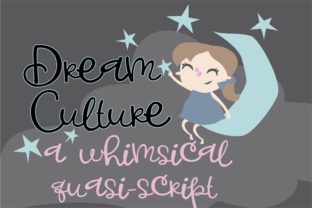
Every so often, a creative concept emerges that resists tidy categorization. Dream Culture fits that description. It arrives as a whimsical quasi script full of energy — part inspirational framework, part loose methodology, and part invitation to play. For people browsing studio aisles, scrolling through project ideas, or standing before a blank canvas wondering where to begin, the name surfaces with increasing regularity. Understanding what Dream Culture actually offers, where it shines, and where it might fall short matters before committing time, materials, and creative energy to any single approach.
This article examines Dream Culture through a practical lens. Rather than simply describing what it claims to be, the goal is to help you evaluate whether its particular flavor of guidance aligns with your creative goals, working style, and the kinds of projects you genuinely want to complete.
Understanding What Dream Culture Actually Provides
At its core, Dream Culture functions as a creative catalyst disguised as a loose script. Think of it less as a step-by-step manual and more as a energetic jumping-off point. The framework provides prompts, conceptual nudges, and a tone that prioritizes spontaneity over rigid planning. Its quasi-script nature means it offers enough structure to prevent creative paralysis while leaving generous room for interpretation.
Practically speaking, Dream Culture tends to manifest through themed idea cards, guided journaling prompts, color palette suggestions with poetic names, and technique invitations that blur lines between craft disciplines. A prompt might suggest "capturing morning light through torn paper layers" without prescribing exact materials, dimensions, or finished forms. This open-endedness is deliberate. The framework treats the maker as a collaborator rather than a follower.
For someone researching creative methodologies, Dream Culture occupies a middle ground between completely freeform experimentation and tightly regimented project kits. It provides a creative weather system — a set of atmospheric conditions under which ideas can form — rather than a blueprint for a specific end product.
Why Creators Gravitate Toward the Framework
Several practical motivations draw people to explore Dream Culture. Understanding these can clarify whether your own interest stems from a genuine alignment or simply from curiosity about the buzz.
Overcoming starting friction. Many crafters accumulate supplies but stall at the moment of beginning. Dream Culture’s energetic prompts lower that barrier by turning the first step into a game rather than a commitment. When a script says “choose three materials that feel like yesterday’s weather,” the decision becomes intuitive instead of intimidating.
Bridging mixed media interests. Creators who resist being boxed into a single discipline often find Dream Culture’s language accommodating. It rarely distinguishes between fiber art, paper craft, painting, or assemblage, treating all materials as equal citizens in the creative process.
Seeking creative refreshment. Experienced makers sometimes hit plateaus where output feels mechanical. The whimsical energy of Dream Culture can interrupt predictable patterns and reintroduce surprise into a well-worn practice.
Community and shared vocabulary. A growing number of workshops, online groups, and creative circles use Dream Culture as a shared reference point. Participating means gaining access to a common language that can enrich collaboration and critique.
Benefits Worth Considering
Evaluating any creative approach requires weighing tangible upsides against less obvious costs. Dream Culture brings several distinct advantages to the table.
- Low barrier to entry. Because the framework rarely mandates specific tools or materials, starting typically requires only what you already have. This makes experimentation financially accessible.
- Emphasis on process over product. For those seeking to enjoy making without attachment to a perfect outcome, Dream Culture’s structure rewards curiosity and playful detours.
- Cross-pollination of techniques. The loose scripting encourages combining methods that might not naturally coexist in traditional instruction, sometimes producing genuinely surprising results.
- Emotional spaciousness. The whimsical tone can reduce performance anxiety. When a script treats “mistakes” as “pleasant plot twists,” internal editors tend to quiet down.
- Scalability. Prompts adapt to a ten-minute warm-up exercise or a weekend-long immersive project without losing their essence.
Tradeoffs and Realistic Expectations
No creative framework serves every maker equally. Going into Dream Culture with clear eyes about its limitations prevents frustration and wasted effort.
Structure can feel insufficient. If you genuinely prefer precise instructions, material lists, and predictable outcomes, the quasi-script format may read as vague rather than liberating. Some creators report finishing Dream Culture sessions with more fragments than finished pieces, which suits process-oriented makers but disappoints those craving completion.
Not a skill-building curriculum. Dream Culture emphasizes exploration over technical instruction. Someone hoping to learn specific brush techniques, sewing fundamentals, or color theory will need supplementary resources. The framework assumes you either possess foundational skills or feel comfortable acquiring them elsewhere.
Energy dependency. The approach relies heavily on a creator’s willingness to meet its energetic tone. On low-energy days, prompts that read as playful on a good afternoon can feel demanding or even irritating when motivation lags.
Results may resist categorization. Pieces emerging from Dream Culture sessions often defy easy labels. This complicates sharing work in settings that favor recognizable styles or conventional presentation formats.
When Dream Culture May Be a Strong Fit
Certain creative profiles align particularly well with what Dream Culture offers. Recognizing yourself in these descriptions helps gauge compatibility.
You thrive on interpretative freedom. If you habitually modify instructions, substitute materials, and wander away from patterns, the framework’s open structure will likely feel like breathing room rather than ambiguity.
You value creative momentum. When the primary goal is keeping hands moving and imagination engaged, Dream Culture serves as reliable fuel. It rewards doing over deliberating.
You teach or facilitate groups. Educators and workshop leaders often find the script’s adaptable prompts useful for diverse skill levels. A single Dream Culture prompt can yield wildly different results across participants, generating rich discussion.
You are navigating creative block. The energetic, non-judgmental tone functions as a gentle reset button. When analytical thinking has frozen creative flow, Dream Culture’s whimsical nudges can bypass the inner critic entirely.
You collect creative tools enthusiastically. Makers who enjoy sampling different methodologies and synthesizing personal approaches will find Dream Culture a valuable addition to their repertoire, even if they do not adopt it wholesale.
Situations Where Alternatives May Be Worth Considering
Being honest about misalignment saves time and creative capital. Certain goals point toward other resources.
You want finished, gift-ready projects. If the immediate objective is producing specific items — holiday cards, sewn garments, framed art for sale — approaches with clearer endpoints and reproducible steps serve better. Dream Culture can inform the design phase but rarely delivers a production pipeline.
You need technical depth. Developing proficiency in a craft discipline requires focused instruction, repetitive practice, and corrective feedback. Dream Culture supports creative thinking within a craft but does not replace structured learning paths.
You prefer working silently and independently. While not inherently social, the framework’s poetic language and narrative-style prompts can feel intrusive to creators who prefer complete mental silence or minimal verbal framing during their process.
You are working under tight constraints. Commissioned work, deadline-driven projects, or situations requiring consistent output may not mesh with an approach that celebrates unpredictability and deviation.
Practical Decision-Making Insights
Rather than adopting or rejecting Dream Culture categorically, consider treating it as one instrument in a broader creative toolkit. Many experienced makers borrow its energetic warm-ups while relying on other methods for production work. The framework excels as a creative ignition system — less effective as a long-haul engine.
Testing compatibility costs very little. Select a single prompt. Gather three to five materials already within reach. Set a timer for twenty minutes and follow the prompt’s energy without editing or evaluating until time expires. The experience itself often reveals whether the framework’s tone liberates or frustrates your particular creative wiring.
Pay attention to how you feel after the session. If you notice renewed curiosity and a desire to continue, Dream Culture likely offers genuine value. If you feel untethered or dissatisfied, honor that signal. Creative methods are deeply personal, and mismatches reveal useful information about how you work best.
Integrating Dream Culture Sustainably
For those who decide to incorporate the framework, a light touch often yields the richest long-term results. Using Dream Culture as a warm-up ritual before more structured work marries its energetic strengths with tangible output. Alternating between its whimsical scripting and other instructional formats creates rhythm without dependency on any single approach.
Documenting discoveries also amplifies the value. Simple notes about which prompt types resonate, what material combinations surprise, and where frustration appears build a personalized map over time. Dream Culture works best when treated as a conversation rather than a prescription — the script proposes, you respond, and the exchange evolves.
Ultimately, evaluating Dream Culture comes down to a single question: does this framework help you make more of what you want to make, with greater satisfaction, than you would without it? Answering that requires honest experimentation, realistic expectations, and the willingness to adapt any method to your own creative fingerprint. The energetic quasi-script offers a starting point. What you build from there remains entirely yours.