How Gistela Brings a Human Touch to Modern Visual Communication
In a landscape saturated with perfectly polished imagery, something remarkable is happening. Brands, creators, and entrepreneurs are gravitating back to the imperfect, the warm, and the unmistakably human. At the heart of this shift is Gistela, a handwritten script that radiates authenticity and a delightfully cute feel. More than just a typeface, it represents a deeper cultural movement toward sincerity and emotional resonance in visual storytelling. Understanding why Gistela is capturing attention—and how to harness its charm—offers practical lessons for anyone who communicates visually today.
The Essence of Gistela: What Makes It Special
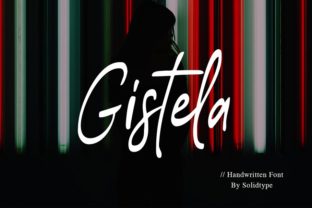
Gistela is not designed to be a flawless, mechanical reproduction of letterforms. Its character lives in the subtle variations, the gentle flow from one glyph to the next, and the approachable softness that makes words feel like a personal note rather than a corporate decree. The script carries an inherent cute feel—playful yet refined enough for professional use. It avoids childishness by grounding its curves in legibility and a consistent rhythm that works across headlines, short quotes, and even compact body copy.
Unlike many handwriting fonts that sacrifice readability for flourish, Gistela balances expressiveness with clarity. That balance is crucial. It allows the script to be featured on packaging, in digital ads, or as the centerpiece of a brand’s visual identity without overwhelming the message. The authenticity comes from how naturally the letters connect; they mimic the cadence of real handwriting, which immediately signals that a human being—not a content farm—is behind the communication.
The Rise of Handcrafted Aesthetics in a Digital World
To appreciate Gistela’s relevance, one must first recognize the larger shift reshaping design. For over a decade, minimalism and geometric sans-serifs dominated the visual landscape, often leaving brands looking sterile and interchangeable. Today, consumers—especially Millennials and Gen Z—have developed what could be called an authenticity radar. They scroll past hyper-polished ads and connect instead with content that feels honest, spontaneous, and real. This is the territory where handwritten scripts thrive.
Trend analysts and creative directors have noted a sustained “humanization” of brand identity. Large corporations invest in custom lettering, packing their campaigns with hand-drawn illustrations and imperfect textures. Meanwhile, small business owners and solopreneurs rely on accessible tools—like Gistela as a font asset—to inject that same humanity without a steep learning curve or expensive custom type design. The idea is simple: people connect with people, not with logos alone. A handwritten script condenses that connection into every tagged Instagram post, email header, or product label.
Additionally, the rise of remote work and digital-first relationships has made warmth a scarce resource. When you cannot shake a customer’s hand, the typefaces you choose become the handshake. Gistela, with its cute and inviting personality, helps bridge that gap by softening the interface between screen and reader.
Why Creators and Brands Are Turning to Scripts Like Gistela
Attention is a precious commodity. Metrics show that audiences decide within seconds whether content is worth their time. A handwritten script disrupts the pattern of generic feeds, stopping the scroll with a visual cue that whispers “this is personal.” Gistela works particularly well in this context because its charm doesn’t scream for attention; it invites a second glance with quiet confidence.
Professionals across marketing, coaching, and creative entrepreneurship are tuning into the emotional economics of typography. When a subscriber receives a newsletter set partially in Gistela, the message carries subtext: “I wrote this for you.” That perception drives higher engagement, deeper loyalty, and a sense of intimacy that polished sans-serifs rarely achieve. The cute feel also triggers positive affect—an emotional response that researchers link to increased trust and approachability. In fields where expertise can feel intimidating, that softness is a strategic asset.
Moreover, in an era where visual brand consistency matters more than ever, Gistela offers flexibility. It can be paired with clean sans-serif companions for contrast, layered over photography for a personal diary effect, or used in short animated reels to mimic someone writing a note in real time. The script becomes a signature element rather than a mere decorative afterthought.
Practical Applications Across Industries
The true power of a script like Gistela emerges when we look at concrete use cases. These examples illustrate how different professionals weave its authentic style into their daily workflows, often yielding measurable returns.
1. Product Packaging and Unboxing Experiences
Small-batch food brands, artisanal candle makers, and boutique skincare lines often struggle to convey their story in a crowded aisle. By printing product names or inspirational messages in Gistela on labels, they immediately signal care, craftsmanship, and personality. The customer picks up the item not just because of its ingredients, but because the packaging feels like a gift from a friend. The cute, handwritten aesthetic can increase perceived value and encourage word-of-mouth sharing on social media.
2. Personal Branding for Coaches and Consultants
An executive coach’s website might use Gistela for pull quotes and testimonial callouts. The contrast between a polished professional headshot and a flowing, hand-lettered quote creates a memorable duality: “I am accomplished, yet approachable.” Clients report feeling instantly more at ease, a psychological door-opener that accelerates rapport. The same script can appear in downloadable PDFs, workshop slides, and thank-you cards, building a cohesive signature style.
3. Social Media Visuals and Storytelling
Instagram stories, Pinterest pins, and TikTok overlay text all benefit from an organic look. Gistela’s cute feel harmonizes with casual smartphone photography and behind-the-scenes clips. Instead of standard Helvetica overlays, the handwritten text seems like a spontaneous annotation, boosting watch time and shareability. Content creators have noted that posts featuring hand-drawn or handwritten elements often attract more saves and direct messages precisely because they break the algorithmic monotony.
4. Wedding and Event Stationery
Stationers and event planners embrace Gistela for its romantic yet playful nature. Invitation suites, place cards, and signage all carry a cohesive, heartfelt tone. Even in digital evites, the script captures the anticipation and warmth of the occasion, setting an emotional expectation before the event begins.
5. Internal Communications and Team Culture
Forward-thinking HR departments and team leads occasionally use handwritten fonts in internal newsletters, Slack announcement headers, or recognition certificates. While the choice may seem insignificant, it humanizes leadership. A monthly update that starts with “Dear team” in Gistela reads like a thoughtful note rather than a bureaucratic memo, subtly reinforcing a culture of appreciation and connection.
Fitting Into the Future of Visual Content
As technology accelerates, the pendulum often swings back toward what feels timeless. Gistela occupies a fascinating niche: it is a digital asset deeply rooted in analog nostalgia. That combination positions it well for emerging content formats. For instance, augmented reality filters that overlay handwritten messages onto real-world scenes, or interactive web experiences where text appears as if being written by an invisible hand, can all leverage a script that already embodies motion and life.
Voice technology and AI generated content are on the rise, yet paradoxically, they amplify the value of the human fingerprint. When a blog post, course module, or customer email uses a handwritten font for key phrases, the reader subconsciously registers a human curator at work. Gistela’s pleasing irregularity reminds us that while algorithms can generate text, only a person (or a very well-chosen font) can deliver that specific, handwritten feel. Brands that integrate such personal touches will likely stand out as more trustworthy and memorable in an increasingly automated ecosystem.
Furthermore, the growing emphasis on mental well-being and mindfulness intersects with visual design. Soft, rounded scripts have a calming effect, akin to reading a hand-penned journal. As digital fatigue pushes consumers toward designs that feel restorative, Gistela’s cute and genuine personality becomes a small but meaningful part of a wellness-oriented visual strategy.
Making the Most of Handwritten Elements
Simply downloading a script and splashing it everywhere is not a strategy. Effective use of Gistela or any handwritten typeface requires thoughtful integration. Below are some principles to keep the work both credible and charming.
- Pair with restraint. Let Gistela shine by combining it with clean, neutral typefaces for balance. Too many decorative elements dilute the impact.
- Limit line length. Long paragraphs in script can fatigue the eye. Reserve handwritten text for emphasis, short blurbs, or headings.
- Respect legibility. Ensure ample spacing and avoid tiny point sizes. The cute feel works best when it’s easy to read at a glance.
- Contextualize with texture. Pairing Gistela with paper-like backgrounds, subtle watercolor washes, or organic photography enhances the authenticity effect.
- Be consistent. Use the script deliberately across touchpoints—website, social media, packaging—so that the handwritten element becomes a recognizable brand signal, not a random decoration.
One overlooked benefit is accessibility. Many scripts are difficult for those with reading challenges, but Gistela’s clear letter construction helps maintain readability. Testing with real users ensures that the stylistic choice does not become a barrier.
The Emotional Logic Behind the “Cute” Appeal
It is worth dwelling on why the cute dimension matters, especially for professionals who might worry about being perceived as informal. Research in consumer psychology finds that cute designs elicit caregiving behavior and positive approach responses. When a brand uses Gistela’s cute handwritten style on a thank-you page, the consumer’s brain associates the brand with warmth and kindness. This effect is subtle but cumulative, building a reservoir of goodwill that can defuse a customer service issue or nudge a repeat purchase.
Entrepreneurs in serious industries—finance, legal tech, health services—are increasingly experimenting with this dynamic. A financial planning worksheet that uses a handwritten font for encouraging notes like “You’re doing great!” transforms a dry experience into supportive coaching. The key is sincerity; the script must feel genuine, not gimmicky. Gistela’s natural, flowing form preserves that integrity.
Why the Right Script Becomes a Competitive Advantage
In a marketplace where features and prices are easily replicated, emotional differentiation is the new battleground. Typography is one of the most underleveraged tools in a marketer’s kit. Gistela offers a shortcut to what otherwise takes years of brand storytelling: instant likability. When a potential client sees a proposal cover written in a charming handwritten style, it signals that the professional behind it values human connection. That single impression can tip a decision.
Creators and small teams often lack the budget for custom illustration or hand-lettering artists. A high-quality script font becomes a force multiplier, enabling polished, soulful output at scale. It frees up time for other creative decisions while ensuring the final product still radiates the desired authenticity. As more people recognize the return on investing in personality-driven assets, scripts like Gistela move from novelty to necessity.
Embracing Authenticity Without Sacrificing Professionalism
The biggest myth surrounding handwritten fonts is that they belong only on greeting cards or hobby blogs. Gistela defies that stereotype. Its refined structure holds up in executive presentations, modern website hero sections, and even minimalistic app interfaces. The font’s cute nature is not childish; it’s endearing in the same way a thoughtful, handwritten note brightens a busy day.
To integrate a script like this into more formal contexts, subtlety is key. A law firm might title each blog post with a small handwritten label, while the body remains in a traditional serif. A SaaS company could use Gistela for onboarding microcopy that supports users, like “We’re here to help.” These touches don’t break the professional frame; they bend it just enough to let humanity through. The result is a brand that feels both accomplished and genuinely caring.
Finally, the long-term value of choosing an authentic style like Gistela lies in its timelessness. Trends will come and go, but the desire for human connection remains constant. A script that captures handwritten warmth is not a passing fad; it is a reclamation of something fundamental in an era of fleeting digital noise.