Blind Heart: A Handwritten Font With Soul
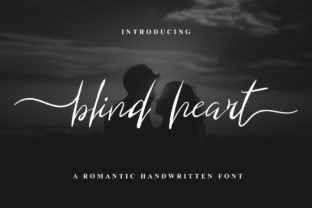
Some fonts do more than display words. They carry a feeling, a texture, a quiet kind of energy that changes how a message lands. Blind Heart belongs to that category. It is a handwritten script font with a distinctly rustic and adventurous character. The lines feel alive, almost as though someone sketched them by lantern light or scratched them into weathered wood with a confident hand.
What makes Blind Heart stand out is the tension it balances so well. On one side, you have the raw, unpolished edge of something made by hand. On the other, there is an undeniable refinement, a sense that every stroke was intentional. That combination gives your work what designers often chase for years: refined authenticity. It does not try too hard to be perfect, and that is exactly why it works.
What Blind Heart Actually Is
At its core, Blind Heart is a script typeface designed to mimic natural handwriting, but with a personality that goes far beyond neat penmanship. The letterforms are connected in that flowing, cursive style, yet they break free of formal calligraphy rules. Some strokes sweep wide and fast. Others taper off with a slight roughness. The overall effect feels organic, like a note written in a hurry that somehow came out beautiful.
Designers describe this font as having an energetic flow. That energy is not chaotic. It moves with purpose, pulling the eye along words and phrases in a way that feels almost musical. When you set a short quote in Blind Heart, the rhythm of the letters themselves becomes part of the message. That is rare. Most fonts simply hold text. This one performs it.
The Rustic, Adventurous Feel
Think about the difference between a typed letter and one written by someone sitting around a campfire. Blind Heart leans toward the campfire. There is warmth in its irregular baseline. There is a story in the way certain letters connect at unexpected angles. The rustic quality does not mean messy or careless. It means human. It suggests travel, exploration, craftsmanship, and a connection to things made by hand rather than machine.
This adventurous spirit makes Blind Heart particularly useful for brands, projects, and products that want to evoke the outdoors, handmade goods, artisanal food and drink, travel journals, or anything rooted in experience over perfection. If your audience values authenticity over polish, this font speaks their language before they even read the words.
Why Someone Would Choose Blind Heart
People gravitate toward handwritten fonts for many reasons, but Blind Heart solves a specific design problem. It provides warmth without sacrificing legibility. It adds personality without becoming distracting. For a small business owner designing a logo, a blogger crafting a featured image, or a marketer building a campaign around storytelling, the font bridges the gap between professional and personal.
You may be designing a wedding invitation suite and want something that feels intimate rather than formal. Blind Heart delivers that. You could be launching a coffee brand and need packaging that suggests small-batch roasting and hands-on care. Blind Heart fits. Even a teacher creating classroom materials might use it to soften the tone of a handout, making students feel welcomed rather than instructed.
The value lies in how easily it transforms plain text into something that feels considered. In a world saturated with slick, geometric sans-serifs and hyper-polished branding, a font with a pulse stands out immediately.
Practical Contexts and Use Cases
Understanding where Blind Heart thrives helps you decide if it is the right tool for your project. While no single font works everywhere, this one covers more ground than you might expect.
Branding and Logo Design
Small businesses, especially those in the lifestyle, hospitality, and creative sectors, benefit enormously from script fonts that convey personality. A bakery might use Blind Heart for its wordmark to suggest hands kneading dough and recipes passed down through generations. A photographer specializing in elopements and adventure sessions could set their name in Blind Heart to immediately signal the kind of candid, unscripted moments they capture.
The key is restraint. Use Blind Heart for the primary name or tagline, then pair it with a clean sans-serif for supporting text. That contrast keeps the design grounded and prevents the rustic energy from overwhelming the composition.
Social Media Graphics and Digital Content
Scroll through Instagram or Pinterest, and you will notice a trend. The most engaging posts often feature typography that feels personal, almost like a friend wrote a note just for you. Blind Heart fits that trend naturally. Bloggers, coaches, and content creators can overlay quotes, short announcements, or calls to action onto images, giving the graphic a human touch that stock typography rarely achieves.
Because the font has that adventurous flow, it pairs beautifully with outdoor photography, travel content, and lifestyle imagery. A single word like "Explore" or "Gather" set in Blind Heart over a mountain landscape or a dinner table becomes an invitation, not just a caption.
Print Materials and Packaging
In print, texture matters. Blind Heart reproduces well on uncoated paper, kraft stock, and textured surfaces where its rustic qualities feel right at home. Product labels for candles, artisan soaps, craft beverages, or specialty foods gain an immediate authenticity when the typography mirrors the handmade nature of what is inside the package.
Consider a small batch of hot sauce bottled by a local maker. A glossy, perfect typeface would feel wrong. Blind Heart, with its organic strokes and slight irregularities, tells the customer that a real person made this, likely in small quantities with attention and care. That perception influences buying decisions more than most people realize.
Event Stationery and Personal Projects
Weddings, birthday gatherings, anniversary dinners, and community events all call for materials that set a mood. Blind Heart can headline an invitation, grace a place card, or label a buffet station. Its handwritten quality makes each piece feel bespoke, even if you printed fifty copies on a standard home printer.
Scrapbookers, journal keepers, and hobbyists also find a friend in this font. When you want to add text to a memory book or create a custom card, Blind Heart provides the look of careful hand-lettering without requiring actual calligraphy skills. That accessibility matters for beginners and casual users who still want beautiful results.
Pairing Blind Heart With Other Typefaces
One of the most practical skills any designer or content creator can develop is font pairing. Blind Heart carries enough personality that it benefits from a calm companion. Look for typefaces with clean lines and moderate contrast. Simple serifs like a transitional or old-style face can create an elegant, timeless combination. Geometric or humanist sans-serifs keep the overall design modern without competing for attention.
Avoid pairing Blind Heart with another highly decorative script or a display face that shouts too loudly. The result would feel visually chaotic. Instead, let Blind Heart take the spotlight on headings, pull quotes, or product names, and let the secondary font handle body copy, instructions, or detailed information quietly and clearly.
Test the pairing in the environment where it will live. A combination that looks great on screen may need slight adjustments in size or spacing when printed. Always proof the final output to ensure readability remains strong.
Important Considerations Before Using Blind Heart
Every typeface has limitations, and being honest about them helps you make smarter creative decisions. Here are a few things to keep in mind.
Legibility at Small Sizes
Script fonts, especially ones with expressive strokes and varied connections, can become harder to read below a certain size. Blind Heart performs best at larger display sizes for headlines, logos, and short phrases. Using it for lengthy body text is not recommended. The energetic flow that makes it charming in a title can tire the eyes when applied to paragraphs.
If your project requires extended reading, reserve Blind Heart for the hero elements and choose a highly legible serif or sans-serif for the remaining text. This approach protects readability while still leveraging the font's character.
Licensing and Usage Rights
Before purchasing or downloading Blind Heart, confirm the licensing terms. Some fonts allow unlimited personal and commercial use, while others restrict certain applications like embedding in apps, broadcasting, or reselling as part of a digital product. Read the license carefully, especially if you plan to use the font for a client project, a logo that will be trademarked, or merchandise sold at scale.
Respecting licensing protects your business and supports the independent type designers who create tools like Blind Heart. When in doubt, reach out to the foundry or distributor for clarification.
Matching the Font to Your Message
Blind Heart communicates a specific tone. If your brand is corporate law, medical technology, or formal finance, this font may confuse your audience rather than attract them. Authenticity works when alignment exists between what you say and how you present it. Use Blind Heart where warmth, adventure, craft, and human connection are genuine parts of your story. Forced rustic charm reads as inauthentic quickly, and audiences today are sharp at detecting that disconnect.
Who Benefits Most From Blind Heart
This font rewards a broad range of users, but certain groups will find it especially valuable.
- Entrepreneurs and small business owners building brands around handmade, local, sustainable, or experiential offerings.
- Bloggers and content creators who want their visuals to feel approachable and personal rather than corporate and cold.
- Designers and freelancers seeking a reliable script font with enough character to anchor a visual identity without requiring excessive customization.
- Educators and community organizers creating materials that should feel welcoming, encouraging, and human-centered.
- Hobbyists and DIY enthusiasts working on invitations, cards, home decor, and keepsake projects.
For beginners, Blind Heart offers an easy entry point into using expressive typography without needing advanced design training. The font does much of the emotional work on its own. A simple word or phrase, typed out and placed on a well-chosen background, often looks professionally designed with minimal effort.
Bringing Blind Heart Into Your Creative Workflow
Start small. Try setting a favorite quote in Blind Heart and notice how the font's energy changes the reading experience. Experiment with different backgrounds, colors, and pairings. Pay attention to spacing, since script fonts sometimes need slight adjustments to letter and word spacing for optimal results.
If you use design software like Adobe Illustrator, Photoshop, Canva, or Affinity Designer, enable OpenType features where available. Some versions of script fonts include alternate characters, ligatures, and swashes that give you even more control over the final look. These small variations can make a design feel uniquely yours even if others use the same font.
Above all, trust the font's character. Blind Heart does not need heavy effects or elaborate treatments to shine. Its strength is the refined authenticity baked into every curve and connection. Let that quality breathe, and your work will carry a voice that resonates with anyone tired of the generic and mass-produced.